Showing posts with label sun tolerance:partial sun. Show all posts

Wednesday, July 3, 2013

Information on Abies numidica


Abies numidica

Common Name:  Algerian Fir
Scientific Name:  Abies numidica

Height:  25m 
Growth Rate: Slow  
Sun Tolerance: Full sun to light shade
Kingdom: Plantae
Class: Pinopsida
Order: Pinales
Family: Pinaceae
Genus: Abies
Species:  A. numidica

Abies numidica, is occasionally grown as an ornamental tree in parks and larger gardens
Abies numidica is an evergreen tree with a narrowly conical habit. Its glossy dark green leaves are needle like, up to 25mm long and 3mm broad. Its trunk may achieve a diameter of up to 1m. Its grey/ brown bark is smooth on a young tree, becoming fissured and scaly with age. Its flowers are green/ yellow pollen cones. Its fruit are erect cones, grey/ green when young, maturing to brown, up to 20cm long and 4cm broad.
Abies numidica prefers moist, fertile, well-drained soils. It prefers a neutral to acid pH of soil, although it will tolerate an alkali soil.  

View :Information on Joey Palm

Tuesday, July 2, 2013

Information on Joey Palm


Magnificent Joey Palm


Common Name:  Joey Palm, Diamond Joey Palm, Diamond Joey
Scientific Name Johannesteijsmannia Altifrons
Height:  10-20 ft
Span:  10-15 ft
Growth Rate:  Slow
Sun Tolerance:  Shade
Joey Palm Tree Country of Origin: South East Asia
Species: Altifrons 
Family: Arecaceae
Genus: Johannesteijsmannia 

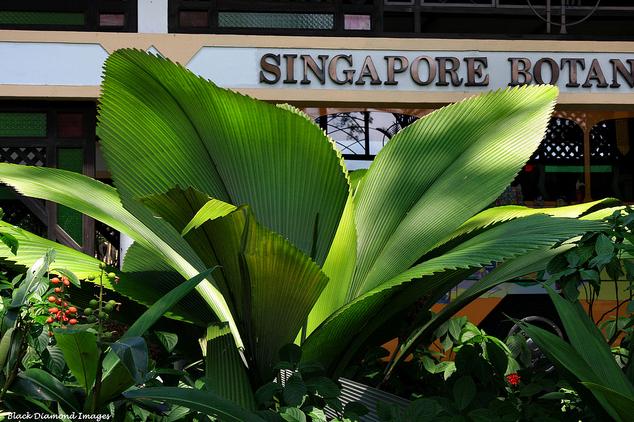
Joey palm is an amazing palm with diamond shaped leaves, which grows from the ground.  It is also referred as Diamond Joey Palm due to the resemblance of its leaves. The Joey Palm is originally from Asia and has no trunk. The tree grows well in high humidity and can tolerate cold as well. The flowers of the Joey palm are creamy that are straight away followed by the fruits. It is evergreen and suitable for indoor. The Joey Palm, is also known as the Diamond Joey Palm and is classified as a medium sized, trunk-less palm with large, undivided leaves that can be up to 6m in length. The Joey Palm is known to make any area or landscape feel much more tropical. Ideally this Joey palm should be spaced apart from 4-6 feet. Joey palm tree will make a great addition to any home office or landscape. It will give a sense of the tropics with little cost. Palm trees are also great for indoors because they act as a natural humidifier and detoxifies by removing Carbon Monoxide and replacing the air with fresh Oxygen. Joey Palm Trees make a home feel like home by giving you the feel of nature inside or out. Buy this palm tree and have a piece of unspoiled nature. IF you like this information must share with your friends because joey palm is beautiful palm tree which has so much benefits.


Joey palm
 Closer View of Joey Palm Leaves 


Joey palm
 Joey Palm Leaves

Joey palm
Joey Palm from Ground View

Joey palm
 Full Grown Joey Palm 

Joey palm
 Sapling of Joey Palm

Joey palm
Bark of Joey Palm

For more information: Joy palm details

Friday, June 28, 2013

Information on Mondo Grass

Mondo Grass


Mondo Grass
Mondo Grass in Cracks of Stone Pavement
           
Common Name: Mondo Grass
Scientific Name: Ophiopogon Japonicus    
Height: Up to 15 cm
Span: 10 - 15 cm
Growth Rate: Slow
Sun Tolerance: Partial Sun

Mondo grass is used as an ornamental grass, which has a rich dark green color giving your garden or lawn a luxurious carpet look. Mondo grass is the best plant for your lawn walkway as it is soft and fills the gaps in the pavements. Mondo grass is a slow grower and requires little maintenance, but once Mondo grass is full grown, it will be attractive. It is sometimes used in aquariums. It can be grown on wide varieties of soils and requires partial to full shade of sun. Mondo grass produces blue colored seeds that look like blue berries. A must for any garden.


Mondo Grass Lawn

Mondo Grass in Aquarium


Mondo Grass Tuft

Mondo Grass Seeds 

Video on Mondo Grass:

For more information on Mondo grass:
How to Grow Mondo Grass

View more about: Information on Sacred Lotus Flower


Thursday, June 27, 2013

Information on Japanese Maple

Japanese Maple

The Japanese Maple


Common
 Name:   Japanese Maple
Scientific Name Acer Palmatum    
Height5 - 8 m
Span: 5 - 7 m
Growth Rate: Slow
Sun Tolerance: Partial Sun

Acer Palmatum is well known for their attractive maple leaves in the world. The tree is not a native of North America but stills flourish in United State’s different climates. Acer Palmatum is extensively used in Bonsai. Acer Palmatum are so much versatile that they can fit into any park, garden and roadside. They are very slow growers and flourish in moist soil. The leaves of the tree are star-shaped. The color of the leaves is bright yellow, orange and red. The famous and striking Canadian Maple Leaf gold and silver bullions feature Acer Palmatum’s leaf.  


Japanese Maple
 Full Grown Japanese Maple 

Japanese Maple
 Bark of Japanese Maple 

Japanese Maple
   Japanese Maple during Winter Season

Japanese Maple
Beautiful leaves of Japanese Maple 

Japanese Maple
Leaves of Japanese Maple

Japanese Maple
Japanese Maple Bonsai Tree

Japanese Maple
Japanese Maple Bonsai Tree

Japanese Maple
Different Types of Leaves of Japanese Maple

Japanese Maple
 Fruits of Japanese Maple

Japanese Maple
Japanese Maple Leaves

Video on  Japanese Maple :
How do you plant a Japanese Maple?- For most palmate leaved varieties select a site with full sun to light shade, more shading for those in warmer zones (8-9) full sun for those in cooler zones.
- For most dissected, linearilobum, and dwarf varieties select a site that is in partial shade (afternoon shade at a minimum especially in hotter climates).
- Soil should be well drained - Choose a location that is sheltered from drying winter winds - Japanese Maples are shallow rooted so try to avoid planting near established shallow rooted trees (beech, large maples, etc.)use mulch to prevent weeds and do not cultivate the surrounding soil.
- In humid climates and climates with very damp spring weather it is important to make sure of adequate air circulation to prevent fungal diseases.

Planting:
Dig a hole 2-3 times as wide as the root ball or container that the maple is growing in (wider is better), dig the hole no deeper than the root ball or container. In heavy, poor draining soils the hole should be just deep enough that the top of the root ball is 1-2" above the surrounding grade.
Mix 50% (by volume) organic matter into the native soil, suitable organic matter include compost, leaf mold, soil conditioners made from pine bark, or peat moss. Do not add fertilizer at this time (although a transplant solution with Vitamin B1 may be beneficial)
Place the tree in the hole and backfill halfway, thoroughly soak the root ball and backfilled soil then continue to backfill. Once completely backfilled water again.
Continue watering deeply at least once a week unless there has been adequate (1-2") rain until the ground freezes, the following year gradually wean the tree off of supplemental watering except for during the hottest part of summer or extended droughts.
Form a small berm just outside the drip line of the tree to help the tree get enough water for the first two years as it gets established.
Mulch with 2-3" of hardwood, pine bark, or pine needles. Keep the mulch off of the trunk.
After the second year, eliminate the watering berm.