Showing posts with label color-red. Show all posts

Friday, June 28, 2013

Coral Tree, Purple Coral Tree


Beautiful View of Coral Tree in the Garden

Common NameCoral Tree, Purple Coral Tree, Coral bean
Scientific Name: Erythrina Fusca
Height: 5 - 8 meters
Span: 5 - 8 meters
Growth Rate: Slow
Sun Tolerance: Full Sun


Erythrina Fusca is also known as coral tree, which is a deciduous and tropical tree. It is a small tree with branches that grow in nice bonsai form. It’s spiny bark with red flowers makes it a treat to watch especially during certain seasons where it is just filled with red flowers. The tree attracts nectar feeding birds and the most often visitor to this gorgeous tree is hummingbird, which pollinate its flowers. The tree’s young leaves and flowers are eaten in some parts of the world. As a matter of fact, Erythrina Fusca is the official flower of Trujillo, a state in Venezuela.


Bonsai Structure of the Coral Tree

Bunch of Coral Tree flowers

A Bird Feeding on Coral Tree Flowers

Coral Tree Garden

Bunch of Coral Tree Flowers

Video on Coral Tree:

Beautiful View of Coral Tree in a Garden Common Name: Coral Tree, Purple Coral Tree, Coral bean Scientific Name: Erythrina Fusca Height: 5 - 8 meters Span: 5 - 8 meters Growth Rate: Slow Sun Tolerance: Full Sun ABP Index: 3.75 (Aesthetics 3.5, Solidarity 4) Erythrina Fusca is also known as coral tree, which is a deciduous and tropical tree. It is a small tree with branches that grow in nice bonsai form. It’s spiny bark with red flowers makes it a treat to watch especially during certain seasons where it is just filled with red flowers. The tree attracts nectar feeding birds and the most often visitor to this gorgeous tree is hummingbird, which pollinate its flowers. The tree’s young leaves and flowers are eaten in some parts of the world. As a matter of fact, Erythrina Fusca is the official flower of Trujillo, a state in Venezuela. Bonsai Structure of the Coral Tree Bunch of Coral Tree flowers A Bird Feeding on Coral Tree Flowers Coral Tree Garden Bunch of Coral Tree Flowers Video on Coral Tree: More Information on the Coral Tree: AgroForestTree database My Nice Garden Click here if you want to Own an ABP?

Thursday, June 27, 2013

Information on Japanese Maple

Japanese Maple

The Japanese Maple


Common
 Name:   Japanese Maple
Scientific Name Acer Palmatum    
Height5 - 8 m
Span: 5 - 7 m
Growth Rate: Slow
Sun Tolerance: Partial Sun

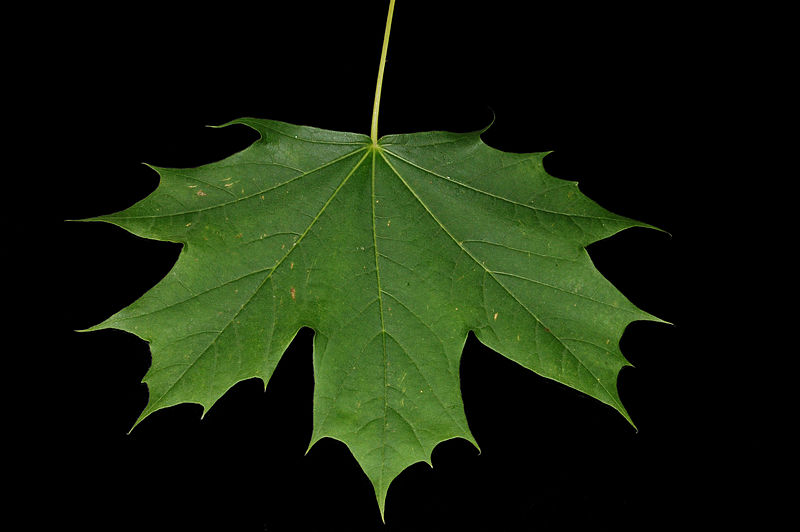
Acer Palmatum is well known for their attractive maple leaves in the world. The tree is not a native of North America but stills flourish in United State’s different climates. Acer Palmatum is extensively used in Bonsai. Acer Palmatum are so much versatile that they can fit into any park, garden and roadside. They are very slow growers and flourish in moist soil. The leaves of the tree are star-shaped. The color of the leaves is bright yellow, orange and red. The famous and striking Canadian Maple Leaf gold and silver bullions feature Acer Palmatum’s leaf.  


Japanese Maple
 Full Grown Japanese Maple 

Japanese Maple
 Bark of Japanese Maple 

Japanese Maple
   Japanese Maple during Winter Season

Japanese Maple
Beautiful leaves of Japanese Maple 

Japanese Maple
Leaves of Japanese Maple

Japanese Maple
Japanese Maple Bonsai Tree

Japanese Maple
Japanese Maple Bonsai Tree

Japanese Maple
Different Types of Leaves of Japanese Maple

Japanese Maple
 Fruits of Japanese Maple

Japanese Maple
Japanese Maple Leaves

Video on  Japanese Maple :
How do you plant a Japanese Maple?- For most palmate leaved varieties select a site with full sun to light shade, more shading for those in warmer zones (8-9) full sun for those in cooler zones.
- For most dissected, linearilobum, and dwarf varieties select a site that is in partial shade (afternoon shade at a minimum especially in hotter climates).
- Soil should be well drained - Choose a location that is sheltered from drying winter winds - Japanese Maples are shallow rooted so try to avoid planting near established shallow rooted trees (beech, large maples, etc.)use mulch to prevent weeds and do not cultivate the surrounding soil.
- In humid climates and climates with very damp spring weather it is important to make sure of adequate air circulation to prevent fungal diseases.

Planting:
Dig a hole 2-3 times as wide as the root ball or container that the maple is growing in (wider is better), dig the hole no deeper than the root ball or container. In heavy, poor draining soils the hole should be just deep enough that the top of the root ball is 1-2" above the surrounding grade.
Mix 50% (by volume) organic matter into the native soil, suitable organic matter include compost, leaf mold, soil conditioners made from pine bark, or peat moss. Do not add fertilizer at this time (although a transplant solution with Vitamin B1 may be beneficial)
Place the tree in the hole and backfill halfway, thoroughly soak the root ball and backfilled soil then continue to backfill. Once completely backfilled water again.
Continue watering deeply at least once a week unless there has been adequate (1-2") rain until the ground freezes, the following year gradually wean the tree off of supplemental watering except for during the hottest part of summer or extended droughts.
Form a small berm just outside the drip line of the tree to help the tree get enough water for the first two years as it gets established.
Mulch with 2-3" of hardwood, pine bark, or pine needles. Keep the mulch off of the trunk.
After the second year, eliminate the watering berm.


Friday, May 31, 2013

Information on Candelabra Aloe


Candelabra Aloe

Candelabra Aloe
Candelabra Aloe

Common Name: Candelabra Aloe
Scientific Name: Aloe Arborescens
Height: 6 – 8  ft
Span:  4 – 6 ft
Growth Rate: Slow
Sun Tolerance: Full Sun

Candelabra Aloe scientific name Aloe Arborescens is native to southern of Africa. It is usually found in mountainous areas where it favors exposed ridges and rocky outcrops. It is also found in dense bush. It is well known as Aloe Vera. This is an evergreen slow growing plant that grows to 6 – 8 feet (2 – 3 m). Its leaves are succulent and are green with a slight blue tint. Its leaves are armed with small spikes along its edges and are arranged in rosettes situated at the end of branches. It blooms in spring. The flowers color is red/orange with cylindrical shape. All plant of this species is also relatively popular among gardeners and has recently been studied for possible medical uses.


Uses and cultural aspects:

In many parts of South Africa Aloe arborescens is planted around kraals (domestic stock enclosures) as a living fence. It often happens that the position of old kraals can still be seen many years after they have been abandoned because the aloes persist. Cuttings intended for use as barrier plants are sold in muthi shops.
The Zulu people use the leaves of this plant, dried and pounded into a powder, as a protection against storms. Decoctions of the leaves are also used in childbirth and in treating sick calves. In the Transkei it is used for stomach ache and given to chickens to prevent them from getting sick. In the Orient, this aloe is grown in domestic gardens as a convenient first-aid treatment for burn wounds and abrasions. In fact it was only after it was used to treat irradiation burn victims of Hiroshima that its healing properties received attention from the West. Extracts from the leaves have been widely investigated since then and shown significant wound healing, anti-bacterial, anti-ulcer, anti-inflammatory, anti-carcinogenic, hypoglycaemic and also alopoeic activity. The leaves have also been found to have purgative properties and the leaf sap is reported to relieve x-ray burns.


Candelabra Aloe
Candelabra Aloe
Candelabra Aloe
Candelabra Aloe
Candelabra Aloe
Candelabra Aloe


Information on Candelabra Aloe
Candelabra Aloe
Candelabra Aloe
Candelabra Aloe: Flower
Candelabra Aloe
Candelabra Aloe : Young Plant
Candelabra Aloe
Candelabra Aloe
Candelabra Aloe
Candelabra Aloe : Flower
Candelabra Aloe
Candelabra Aloe
Candelabra Aloe
Candelabra Aloe
Candelabra Aloe
Candelabra Aloe


Video of Candelabra Aloe :


Tuesday, January 1, 2013

Information on red maple tree

red maple tree
Red Maple Tree


                                  Necessary information on Red Maple Tree

Common name: Maple Tree 
Scientific name: Acer Saccharum
Height: 30 - 150 ft
Span: 6 to 8 m
Growth rate: Slow to Moderate
Sun Tolerance: Full sun

Genus: Acer


The  Red maple tree (Acer Saccharum) is known for its outstanding fall color and distinctive leaves. And there are many maples, ranging from the small Tatarian maple to the high red maple which can reach heights of 62 feet or more. Almost 200 different species of maple trees present in this world. The leaves of the maple tree are large,Coloerful, deeply indented leaves, varying in length from 2 to 5.2 inches, depending on the genus. Bees and insects benefit a lot from the maple tree because of its rich source of pollen contained in the flowers. The flowers are available reminder enticing red, orange or typically yellow color and area unit the best attraction for the insects. Though they will grow well in absence of direct daylight, blooming doesn't occur till the patterned leaves bud. The fruit, referred to as samaras could be a marvel of nature with completely different seeds coated in nut lets and also having an attached wing which helps in dispersing to huge distances. Maple syrup is most likely the true fame maker for the Acer Saccharum(maple tree). While most Acer Saccharum have sweet sap, also known as rock or hard maple, produces, by far, the best liquid for maple syrup and sugar.


Red Maple Tree Species and Their Characteristics:
Sugar and Red Maple
Florida and Chalk Maple
Black and Silver Maple


Maple Tree Planting Guide:

red maple tree
Red maple flowers
A Maple leaf
red maple tree
Maple Tree Sprouts

Video in maple tree: